Line & Wrinkle Treatments
(Wrinkle-relaxing injections – prescription-only)
Wrinkle-relaxing treatments reduce targeted muscle activity to soften expression lines while maintaining natural facial movement. Treatments are carefully planned based on individual muscle strength, facial anatomy and how your face moves at rest and in expression.
As an Independent Prescriber and Advanced Medical Aesthetic Practitioner, Jenny is able to assess and treat both standard and advanced facial areas, creating bespoke treatment plans tailored to your face rather than a one-size-fits-all approach.
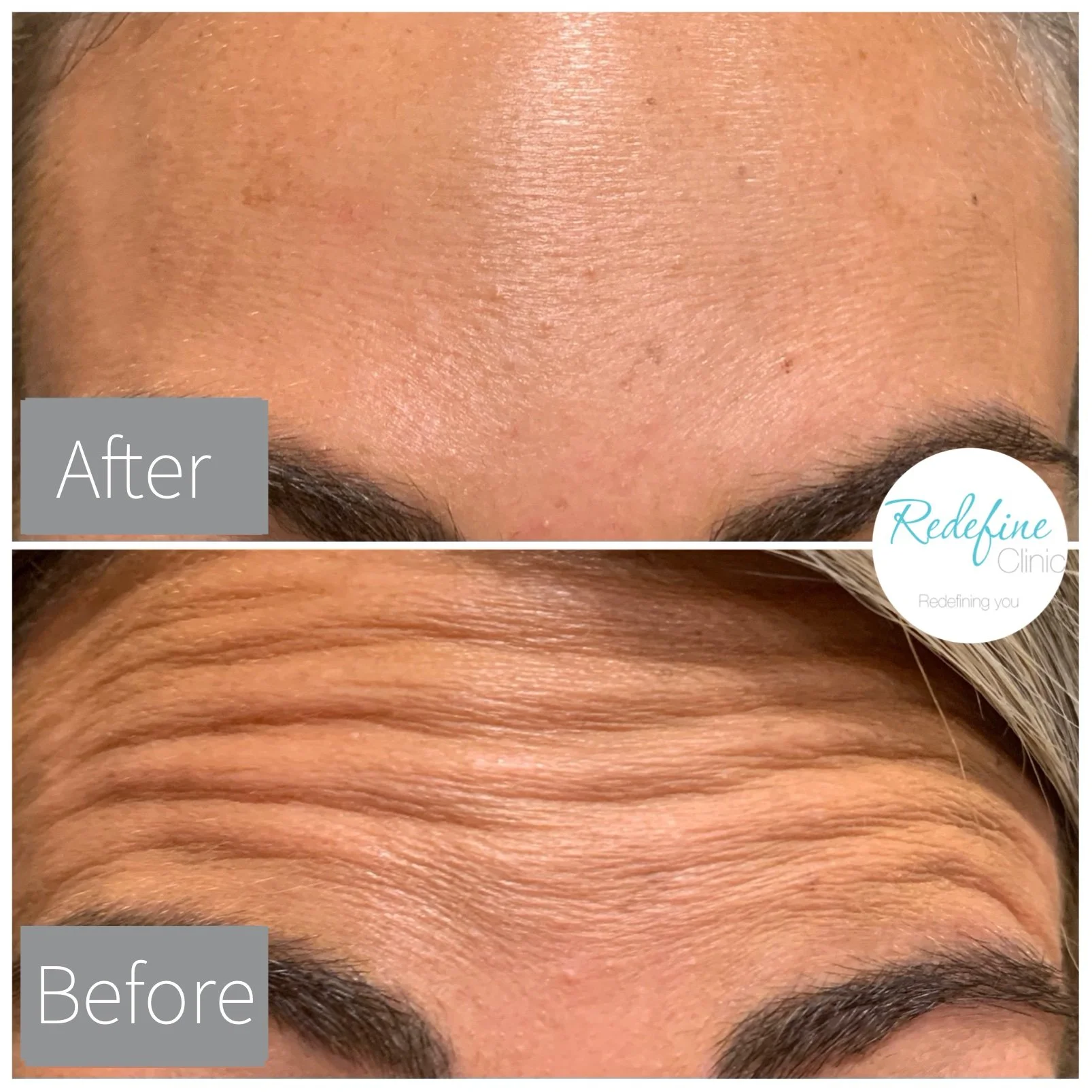
Forehead Lines
Softening horizontal forehead lines while maintaining natural expression and movement.
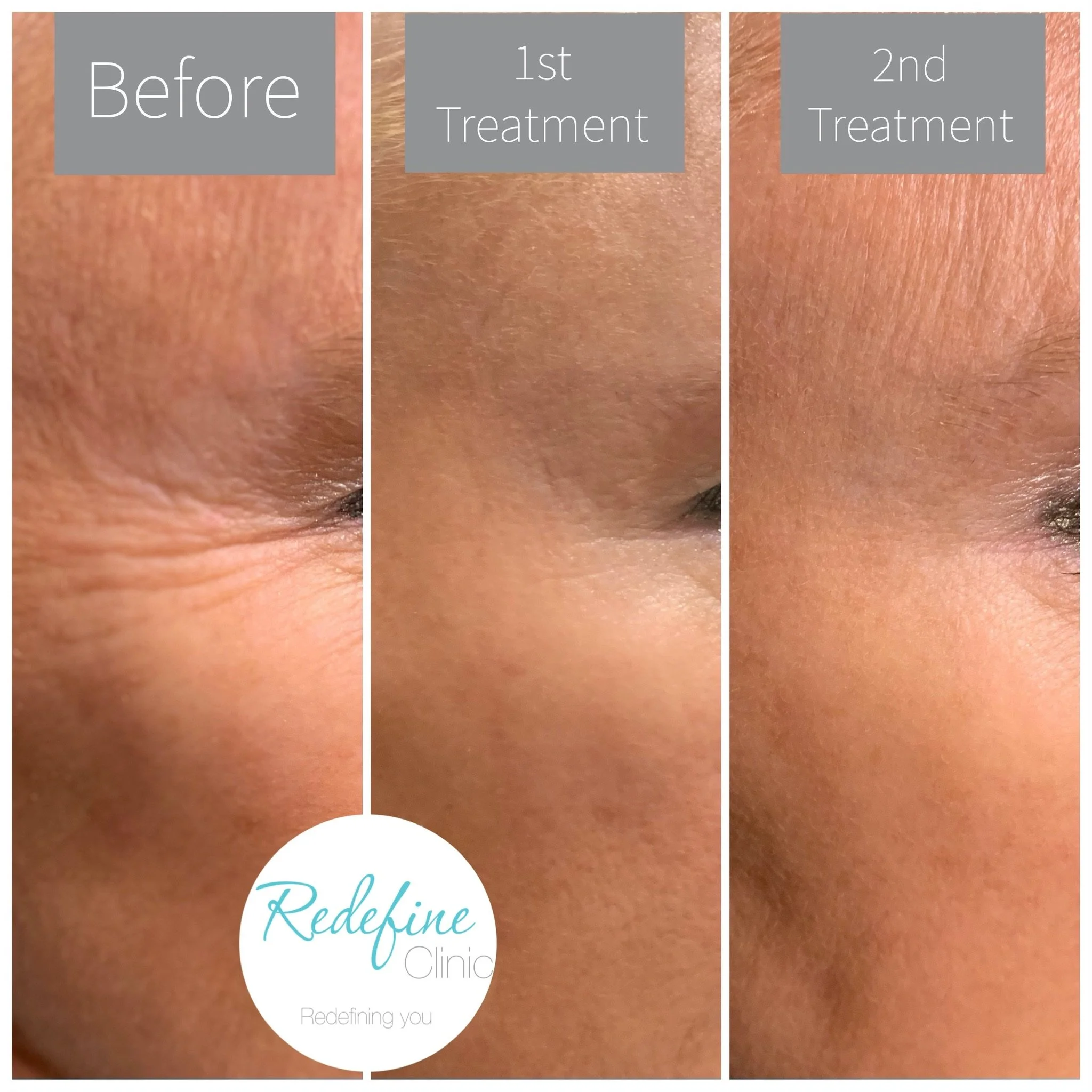
Crow’s Feet Lines
Reducing fine lines around the eyes to create a refreshed, relaxed appearance without over-treatment.
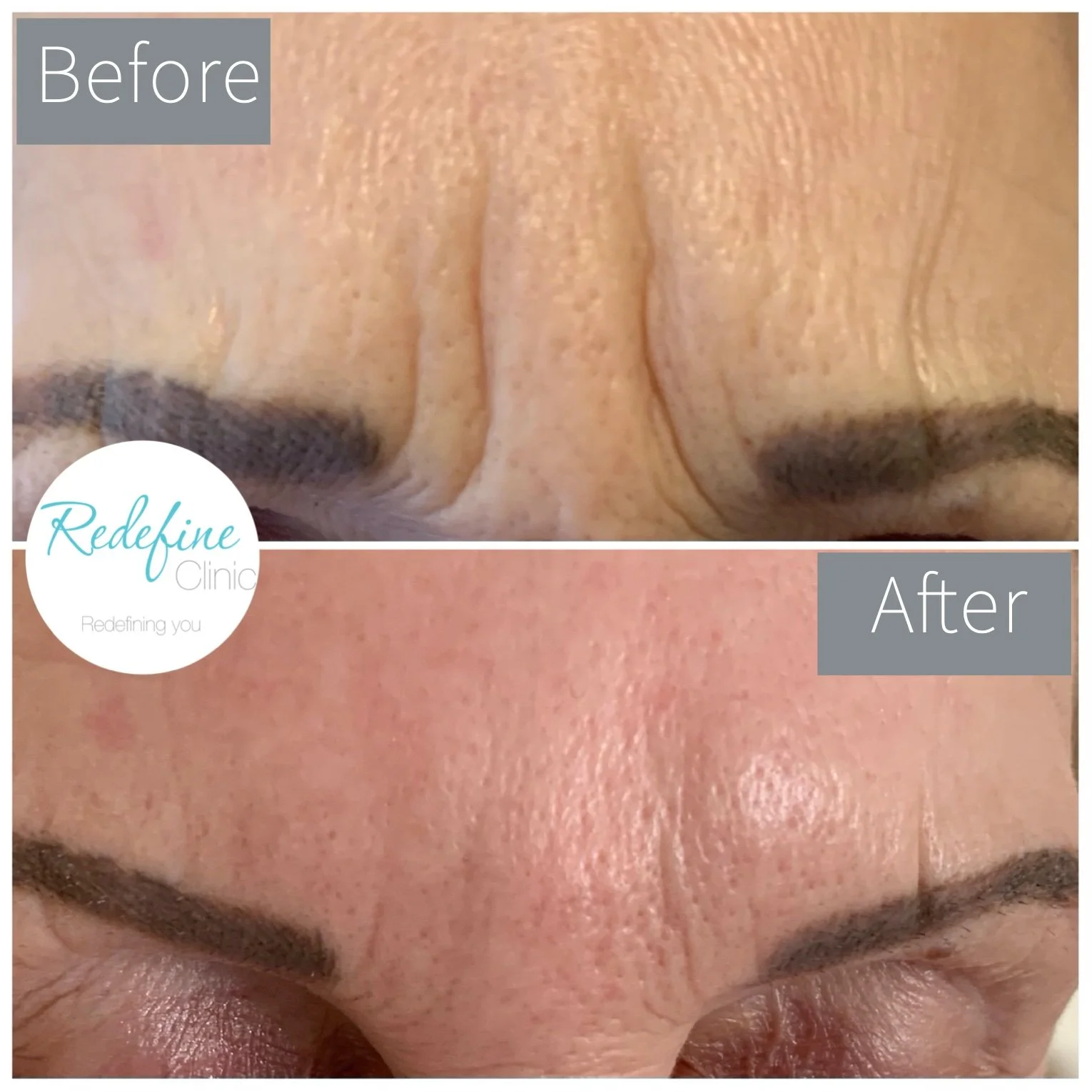
Frown Lines
Targeting overactive muscles between the brows to soften deep expression lines and tension.
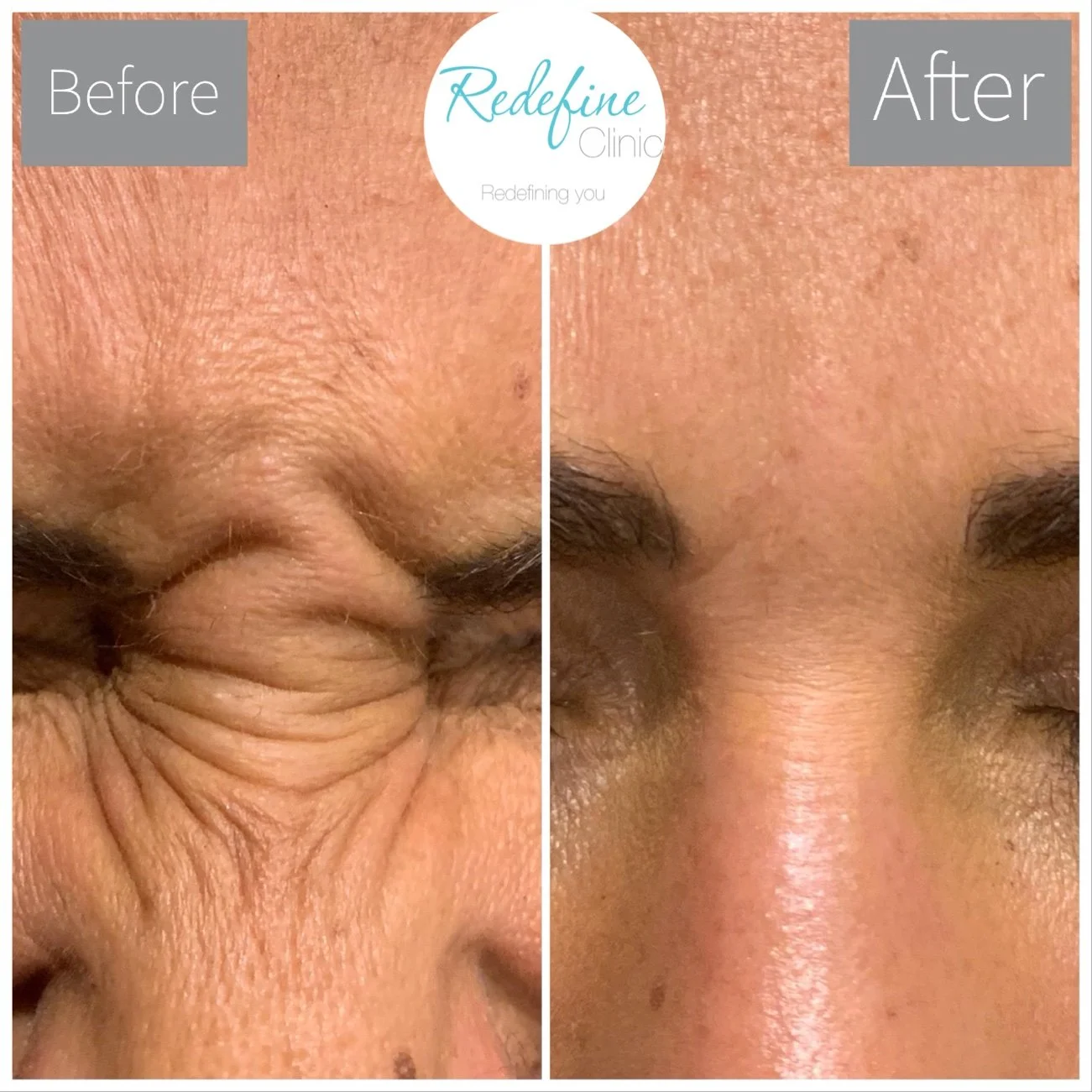
Bunny Lines
Addressing nose scrunch lines caused by muscle movement during facial expression.
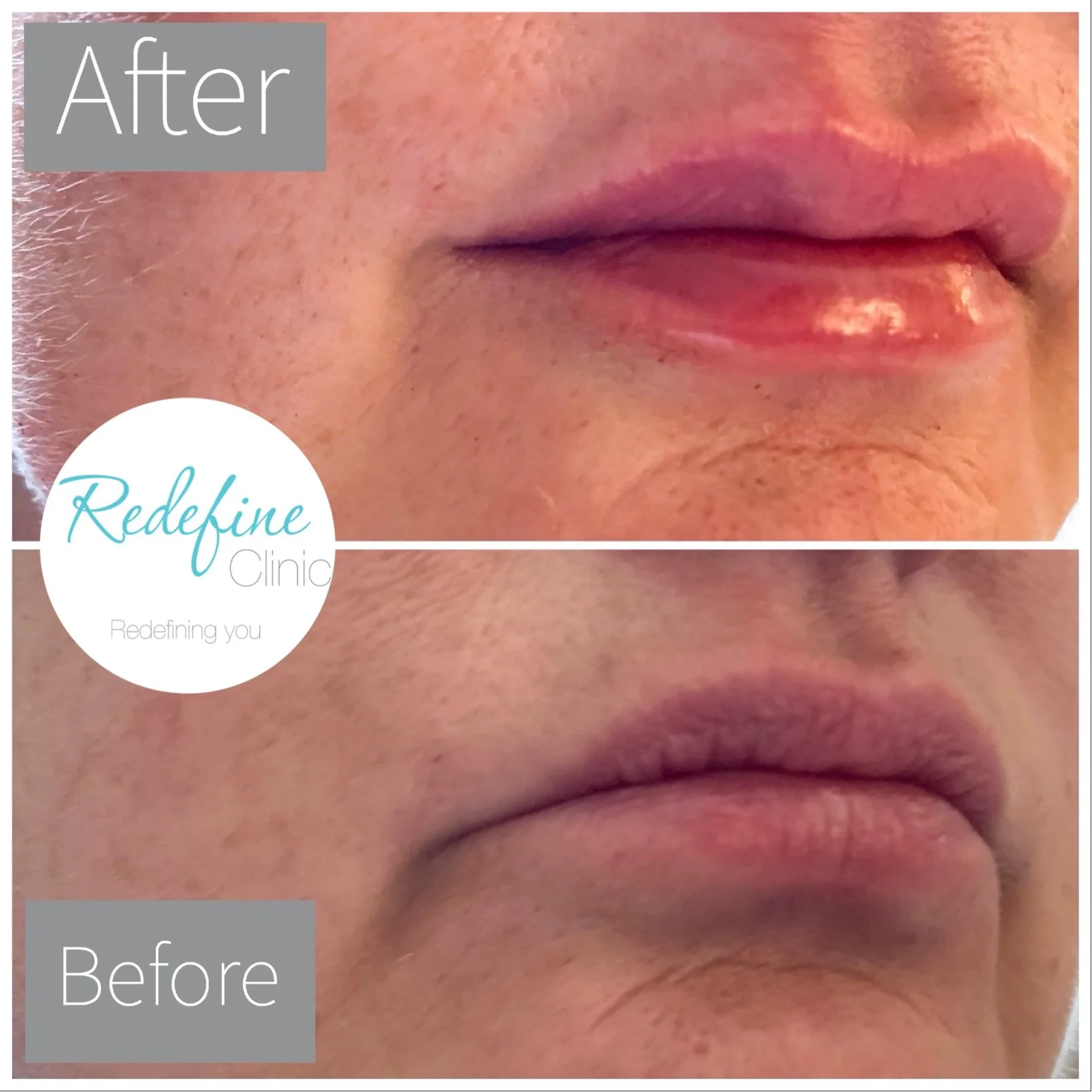
Downturned Mouth
Rebalancing muscle activity that pulls the corners of the mouth downward, supporting a softer, more neutral expression.
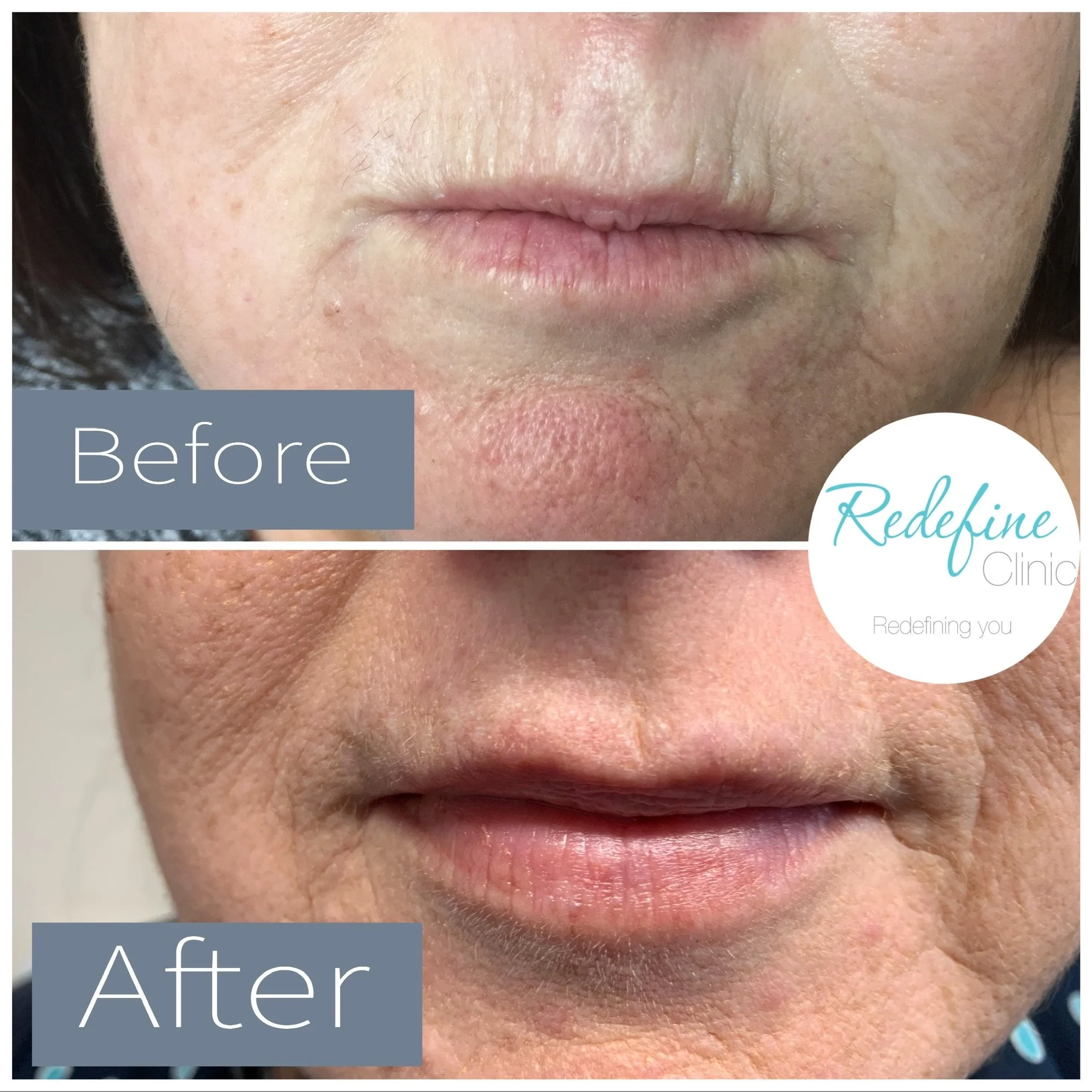
Fine Upper Lip Lines
Improving the appearance of fine lines around the upper lip where muscle activity contributes.
All before and after images shown are of patients treated by Jenny, Advanced Medical Aesthetic Practitioner and Independent Prescriber at Redefine Clinic. Results are individual and will vary.
Common Treatment Areas
Forehead lines
Frown lines (glabellar complex)
Crow’s feet
Brow positioning and shaping
Bunny lines (nose)
Downturned mouth corners
Chin dimpling / “orange peel” texture
Upper lip lines
Lower face muscle balance (assessment-led)
-
Initial effects appear within 3–7 days
Full result at around 2 weeks
Results typically last 3–4 months, sometimes longer depending on muscle strength and metabolism
-
Minimal downtime
Most patients return to normal activities immediately
Temporary activity restrictions after treatment will be explained
-
Mild redness or swelling at injection sites
Temporary tenderness
Bruising
Temporary heaviness or tightness in treated areas (uncommon)
All risks, benefits and aftercare instructions are discussed fully during consultation.
-
Prices start from £200. For more information, please see our pricelist
Frequently Asked Questions
-
Wrinkle-relaxing treatments reduce muscle activity in targeted areas, helping to soften expression lines while maintaining natural facial movement. The aim is to relax overactive muscles rather than freeze expression.
-
When treatments are carefully planned and conservatively delivered, results should look natural and balanced. Treatment is tailored to your facial anatomy and how your face moves, with the goal of a refreshed rather than “done” appearance.
-
Yes. Wrinkle-relaxing treatments involve a prescription-only medicine and require an individual consultation and prescription from a qualified prescriber. Suitability, risks and aftercare are discussed fully before treatment.
-
Some lower-face concerns, such as downturned mouth or smile imbalance, may be suitable for treatment following advanced assessment. These areas require detailed anatomical knowledge and are treated on a case-by-case basis.
-
Yes. Wrinkle-relaxing treatments are not suitable for everyone. Treatment may be postponed or not advised if you are:
Pregnant or breastfeeding
Experiencing an active skin infection at the treatment site
Living with certain neuromuscular conditions
Unwell or experiencing a flare of certain medical conditions
Taking specific medications that may affect suitability
Your full medical history will be reviewed during consultation to ensure treatment is safe and appropriate. If treatment is not suitable, this will be explained and alternative options discussed.
-
Where appropriate, a review appointment may be offered once treatment has fully settled, and any adjustments are only carried out when clinically indicated. If you choose not to continue with treatment, results will gradually wear off and muscle activity will return to its natural baseline over time. There is no obligation to maintain treatment, and stopping will not make lines worse than before treatment.